A Care Cycle for Rugs, Curtains and Throws
Vacuum frequency, pad and sealer replacement, wash timing, and the four operations that cause permanent damage to soft furnishings.
The Calm Finds editorial desk · Published Oct 3, 2026 · 7 min
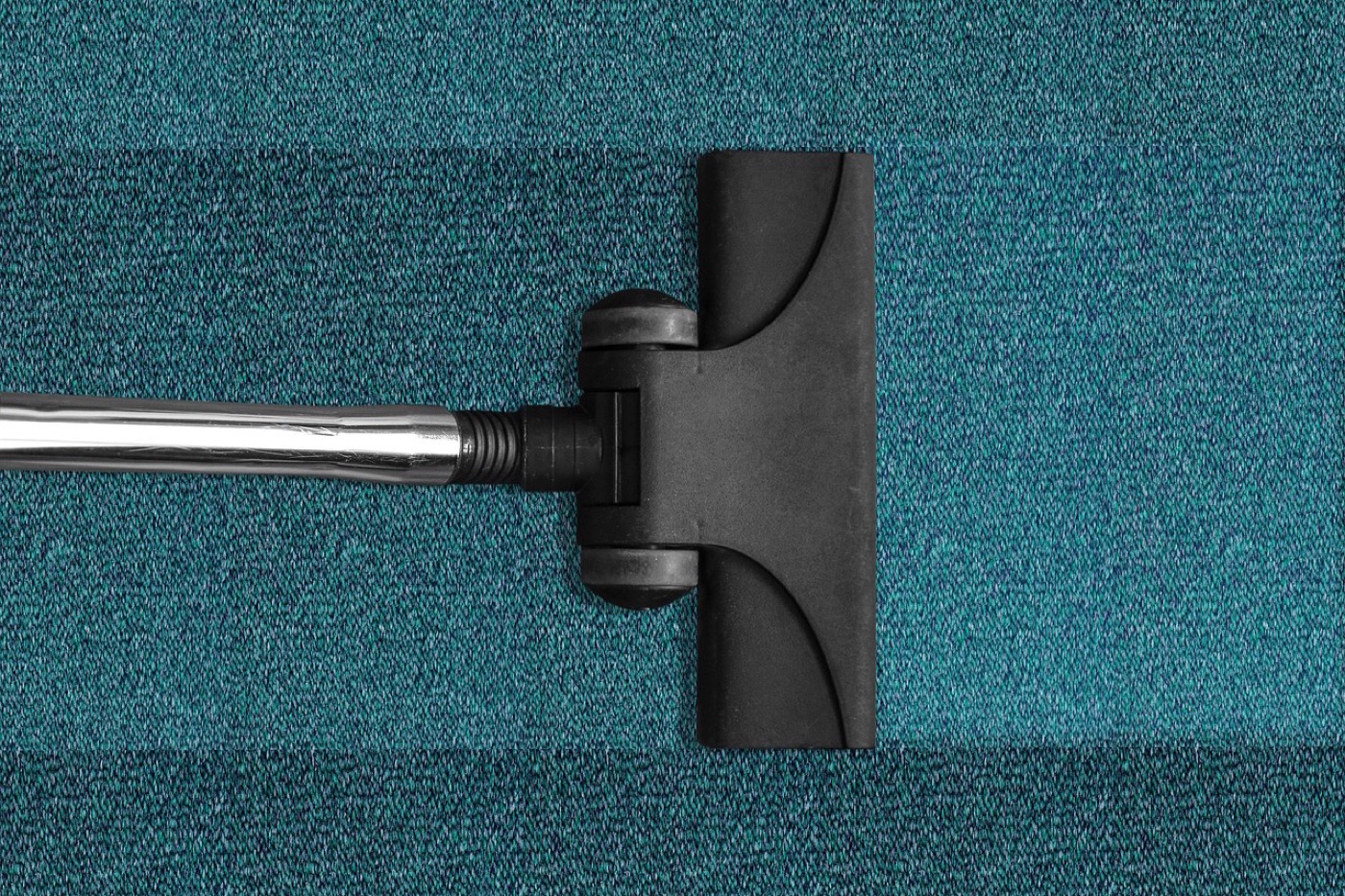
Every covering in the house has a maintenance schedule, and none of them ships with one. Three objects, three cycles, and a short list of operations that damage all three permanently.
Rugs: frequency comes from traffic, not from room
The Carpet and Rug Institute’s published guidance is organised by traffic rather than by room: vacuum daily in high-traffic or pet areas, twice weekly in medium-traffic areas, and weekly in light-traffic areas. Slow, overlapping passes, roughly four swipes, getting right up to the edges where dust and pollen accumulate.
The reason is abrasion, not appearance. Grit worked into the foundation abrades the fibre from below with every footstep, and it does that whether or not the rug looks dirty. Empty the bag when it is two-thirds full, because suction falls as the bag fills.
Two adjustments for the objects in this category. On wool, vacuum on suction without the beater bar and more often than feels necessary, then clip sprouts level with the pile rather than pulling them, because pulling one fibre can work a whole tuft loose. On jute and sisal, suction only, with no beater bar, in the direction of the weave; the documented care path for these fibres is dry cleaning powder or a fibre sealer for spots, and nothing wet at all.
Curtains: washing is on a schedule, not on a stain
Curtains are the one covering here that gets wet as a matter of course, and the cycle is simple. Air them between washes, and wash on the label’s stated temperature with a mild detergent. Dry them away from direct sun and radiators, because heat and sunlight are what fade and shrink them, and a curtain that has faded unevenly never recovers. Once a year for a low-traffic room and twice a year for one opened and closed all day is enough for most homes.
Throws: the label decides, and the dryer decides more
Washability is the only property of a throw checkable before it arrives, and it is a permission rather than a specification. The published wool care guidance is the reference worth knowing: a machine-washable wool claim means 30°C or 40°C very mild with the drum no more than a third full, and a do-not-tumble-dry claim exists because ignoring it can cause shrinkage. Flat drying applies no tumbling and no heat at all. Between washes, air a throw rather than laundering it — wool releases odour naturally, and a few hours in shade resolves most of what a wash would have handled.
The consumables list, and what each one is for
- A vacuum with a rotating brush and adjustable pile height, plus a crevice tool. Everything else depends on it.
- Replacement bags or a second canister, so a full bag never means a rushed pass.
- A rug pad, cut one to two inches smaller than the rug so the edge drapes over it.
- A wool-safe, pH-neutral, enzyme-free detergent for anything wool.
- A dry cleaning powder or fibre sealer for jute and sisal spots.
- A white blotting cloth for fresh spills. Blot from the outside inward, never scrub.
- A moisture meter if you own a basement rug.
When the answer is a professional
Three signals mean the question has moved past home cleaning, and all three are construction limits rather than cleaning problems: shedding that increases rather than tapers over weeks, a white or grey powder around a tufted rug that turns out to be pulverised latex from the backing, and bald patches or a traffic path gone thin. A powder that returns no matter how much you vacuum is the clearest one, because it is not dirt and no amount of suction reaches it.
Rent or spray extraction is the wrong middle option — the residue left behind is the documented cause of rapid re-soiling, and the same source recommends against them for that reason.
The four operations that cause permanent damage
- Detergent residue. What is left in the pile attracts soil, and the soil then abrades. Extract thoroughly or use less product than the bottle suggests.
- High-temperature tumble drying on a natural fibre. Heat plus agitation is the felting mechanism, and the do-not-tumble-dry claim exists because that combination causes shrinkage.
- Prolonged direct sunlight. Fades the exposed face while the sheltered side holds its colour, which reads as a permanent light patch rather than as ageing.
- Steam or hot-water cleaning on jute or sisal. The fibres swell and then shrink unevenly, so the weave no longer lies flat — the same humidity response that rules those fibres out of damp rooms.
None of these is reversible, and all four are why the terms in the rug vocabulary and the curtain drop arithmetic in the window covering piece are separate decisions from the purchase.
Frequently asked
- How often should a rug be vacuumed?
- The Carpet and Rug Institute's guidance is by traffic level rather than by room: daily in high-traffic or pet areas, twice weekly in medium-traffic areas, and weekly in light-traffic areas. The mechanism is abrasion rather than appearance — grit worked into the fibre is what shortens a rug's life, and it does that whether or not the rug looks dirty.
- What causes permanent damage to soft furnishings?
- Four operations, in order of how often they happen: detergent residue left in the pile, which attracts soil and then abrades; high-temperature tumble drying on a natural fibre; prolonged direct sunlight, which fades unevenly rather than uniformly; and steam or hot-water cleaning on jute or sisal, which makes the fibres swell and then shrink unevenly.
- How do I know a rug needs professional cleaning?
- Three signals. Shedding that increases rather than tapers over weeks, a powdered grey or white deposit around a tufted rug that turns out to be pulverised latex from the backing, and bald patches or a traffic path gone thin. All three are construction limits rather than cleaning problems, and none of them responds to more aggressive home cleaning.