Curtain Width Is Fullness: Why 1× Reads Flat
Fullness is fabric width divided by track span. What 1.5×, 2× and 2.5× look like, and why a 60-inch window needs 120 inches of cloth.
The Calm Finds editorial desk · Published Sep 27, 2026 · Updated Oct 1, 2026 · 6 min
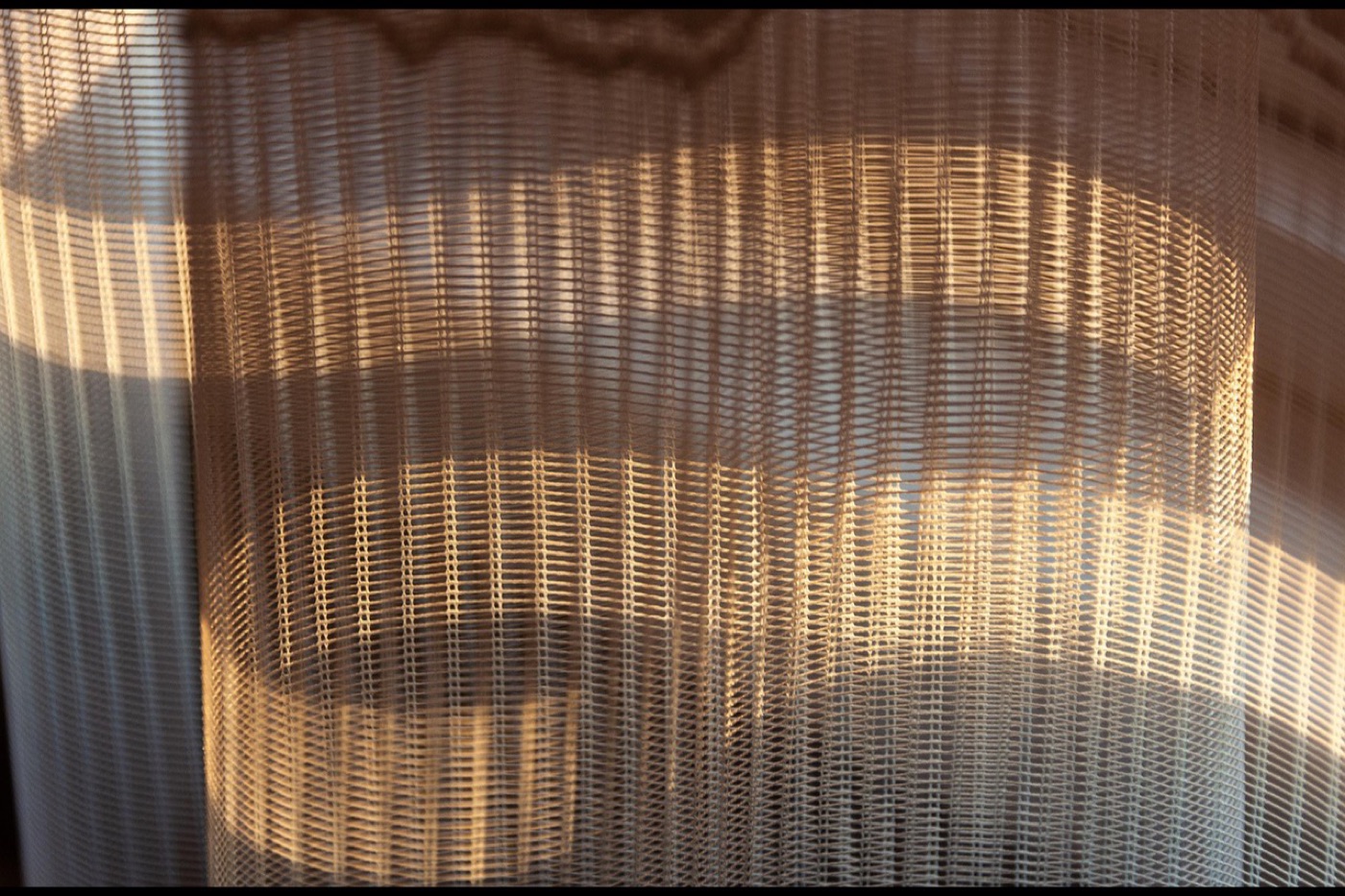
Fullness is the ratio of fabric width to the span it covers, and it is the number that separates a curtain that reads as expensive from one that reads as a sheet of cloth hung up. It is also the number almost never printed on a product page.
The ratio, and what each level looks like
| Fullness | Result |
|---|---|
| 1× | Flat, reads as a sheet |
| 1.5× | Basic, acceptable |
| 2× | Standard decorator finish |
| 2.5× and above | Full, gathered, deep folds |
The 1× case is the one worth naming, because it is what happens when panels are bought to match the window. Hung flat, the fabric has no reserve and hangs as a rectangle. No amount of pattern fixes it — the flat plane is the problem.
At 1.5× the cloth has half again its own width in reserve, which breaks into soft irregular folds. At 2× the folds deepen and regularise, and the curtain takes on the vertical rhythm that reads as a made thing rather than a covered window.
Why a 60-inch window needs 120 inches of cloth
The arithmetic is simple and the units are where people slip. A 60-inch window is 60 inches of glass. The rod over it is wider — typically 66 to 72 inches once it clears the frame on both sides. Fullness is measured against that span, not the glass.
- 1×: 66–72 inches of fabric across the rod
- 1.5×: 99–108 inches
- 2×: 132–144 inches
Divided into two panels, 2× on a 72-inch span needs 72 inches of cloth per panel. That single calculation is where the standard panel widths come from: 50, 63 and 84 inches are legacy cut sizes that happen to land on what a pair of panels needs for common spans, and a 63-inch panel on a 60-inch rod gives roughly 2.1×.
What fullness is not
Fullness is not weight. A heavy fabric at 1.5× can hang flatter than a medium fabric at 2.5×, because its folds are larger and softer rather than many and tight. Fabric weight in grams per square metre is the other half, covered in the window edit.
It is also not coverage. Fullness determines how cloth distributes across the span; coverage determines whether light gets past the assembly at all. A 2× curtain with a gap at each side is generous in the middle and leaks at the edges, which is a placement problem rather than a width one.
The two numbers to take to the shop
- The span the rod or track will cover, edge to edge — not the window width.
- The fullness you want, as a multiple of that span.
Multiply, halve for the panel width, then round up to the next available size. A 72-inch span at 2× is 144 inches of fabric, so two 84-inch panels rather than two 63-inch ones. What the extra width costs is washable surface area. Taking the span first is covered in how to measure for curtains.
Frequently asked
- How wide should curtains be for a 60-inch window?
- At 2× fullness, 120 inches of fabric across the rod. Divided into two panels that is 60 inches of cloth each, which is why 50, 63 and 84 inch panel widths exist as standard sizes. The window width is not the number to match — the finished span of fabric is.
- What does 2× fullness mean in inches?
- Twice the span. A 60-inch window with a rod spanning 72 inches needs 144 inches of fabric at 2× fullness. The calculation always uses the rod or track span, not the window width, and the span is usually wider than the glass.
- Is more fullness always better?
- No. Past about 2.5× the folds stop reading as folds and the curtain reads as a volume of fabric, which needs more cloth to wash and more rod to carry. On a short window or a lightweight fabric, 2× is usually the ceiling rather than the floor.