Outdoor Rug Materials, Compared: Polypropylene, Recycled PET and Natural Fibre
Polypropylene, recycled PET or natural fibre outdoors: how each handles sun, rain and mildew, and which patio each one is suited to.
The Calm Finds editorial desk · Published Oct 10, 2026 · Updated Oct 12, 2026 · 5 min
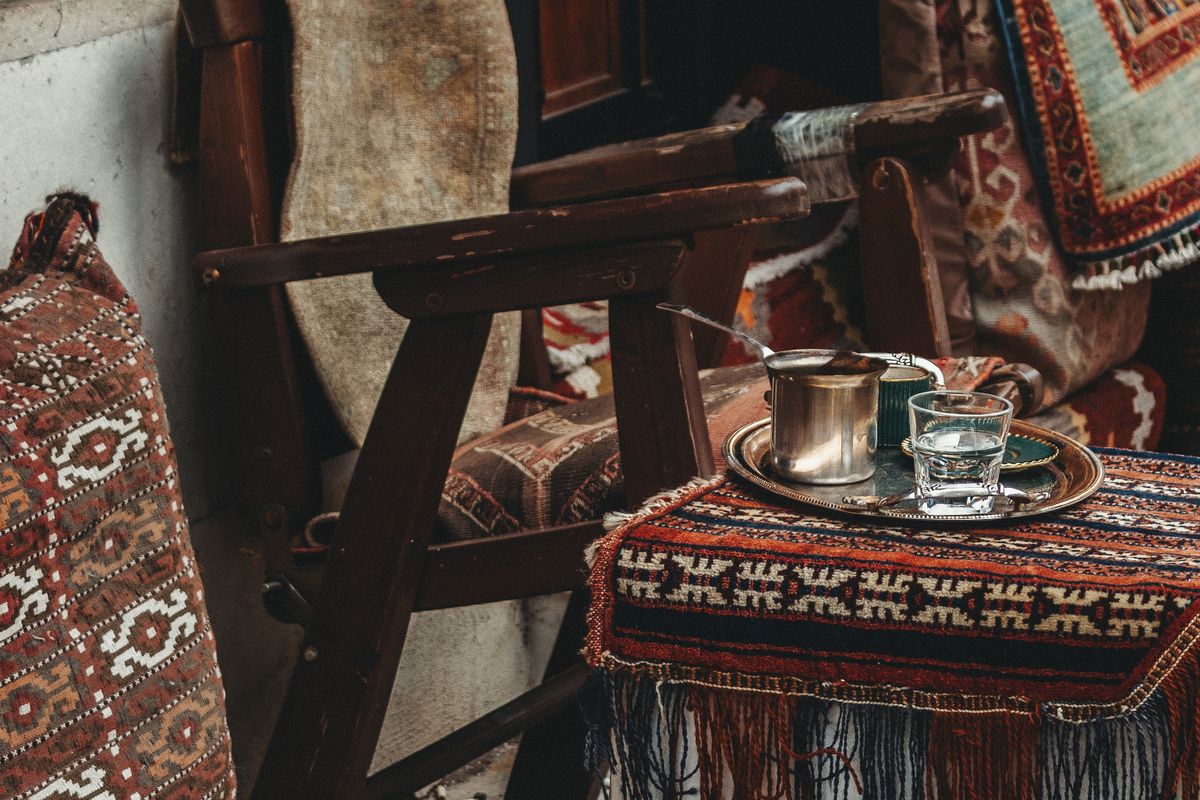
An outdoor rug is not an indoor rug with a tougher label. The three material families sold for patios differ most in how fast they dry, and drying speed is the whole question. Sun fades every one of them eventually; mildew is what ends them.
Drying is the material question
The EPA and CDC both put the practical drying window at 24 to 48 hours: dry a wet material inside that window and mould will usually not take hold, leave it damp longer and colonies can establish. A rug lying on a patio after rain is exactly that material. So read an outdoor rug as a drying problem with a colour attached, and everything else in this guide follows from it.
The three families
| Material | Water | Sun | Cleaning | Suits |
|---|---|---|---|---|
| Polypropylene | Absorbs almost nothing; dries fastest | Solution-dyed fades slowest | Hose off; many tolerate dilute bleach (check the label) | Any patio, uncovered |
| Recycled PET | Low absorption; dries fast | Generally UV-stable | Hose off; some sizes machine-washable | Covered or open |
| Jute, sisal, cotton | Absorbs; stays damp | Fades; fibre weakens | Shake and spot clean | Covered patios only |
Polypropylene is the default outdoor face yarn. The version worth buying is solution-dyed: pigment goes into the molten polymer before extrusion rather than onto the finished fibre, which is why the colour survives both sun and a bleach solution. Surface-dyed polypropylene fades faster and rarely tolerates bleach at all.
Recycled PET is spun from post-consumer bottles and usually has a softer hand than polypropylene. Some product pages quote how many bottles a rug keeps out of landfill; that is a manufacturer claim and the figures are not comparable between brands. What is consistent is the performance profile: low absorption, quick drying, stable colour.
Natural fibre — jute, sisal, cotton — looks right on a covered terrace and behaves badly in rain. The fibre absorbs, dries slowly, and mildew finds it. The jute and sisal guide covers the indoor case; the outdoor rule is simply stricter.
Matching the material to the patio
- Uncovered and rainy. Polypropylene, full stop. It is the one family that shrugs off standing water instead of merely surviving it.
- Covered but humid. PET, or a natural fibre you accept as disposable. Airflow matters more than fibre here — a covered terrace that traps still, damp air will age any rug early.
- Sun-exposed whatever the covering. All three fade eventually. Solution-dyed polypropylene fades slowest; a rug that sits in the same square metre of sun all summer will show it first.
The habits that matter more than the fibre
Hose it off, brush with mild soap, rinse, and dry both sides — a rug laid back down damp on its own backing is the mildew scenario. Lift the rug periodically so the floor underneath dries; trapping moisture under a rug on timber decking can stain the decking itself. In long wet or freezing spells, roll the rug and store it rather than leaving it to sit out. Where mildew has already started, a dilute bleach solution works on polypropylene if the care label allows — but the real fix is drying faster next time. The material glossary defines the terms above, and the room-by-room material guide applies the same logic indoors.
Frequently asked
- What is the best outdoor rug material for a rainy, uncovered patio?
- Polypropylene. It absorbs almost no water, dries fastest of the three families, and is the one construction that shrugs off standing water rather than surviving it. Buy the solution-dyed version where you can tell, because the pigment is inside the fibre rather than on it, which is what makes both the colour and the bleach tolerance hold up.
- Are recycled PET outdoor rugs as durable as polypropylene?
- Close enough that the decision usually comes down to hand and price rather than performance. Both are low-absorption synthetics that dry quickly and hold colour in sun. PET is usually softer underfoot; polypropylene is the more common outdoor spec and the more widely available in heavy-duty weights.
- Can a jute rug be used outdoors at all?
- On a covered terrace, as an experiment, yes. In rain, no — the fibre absorbs, dries slowly, and mildew finds it within days. If you want the natural-fibre look outside, put it under cover, shake it after damp weather, and expect to replace it rather than clean it when it spots.