Wool Rug Shedding: What Is Normal and What Is a Defect
Wool shedding is broken fibre, not hair loss. How much is normal in the first months, why loop pile barely sheds, and when to contact the seller.
The Calm Finds editorial desk · Published Sep 27, 2026 · Updated Oct 2, 2026 · 7 min
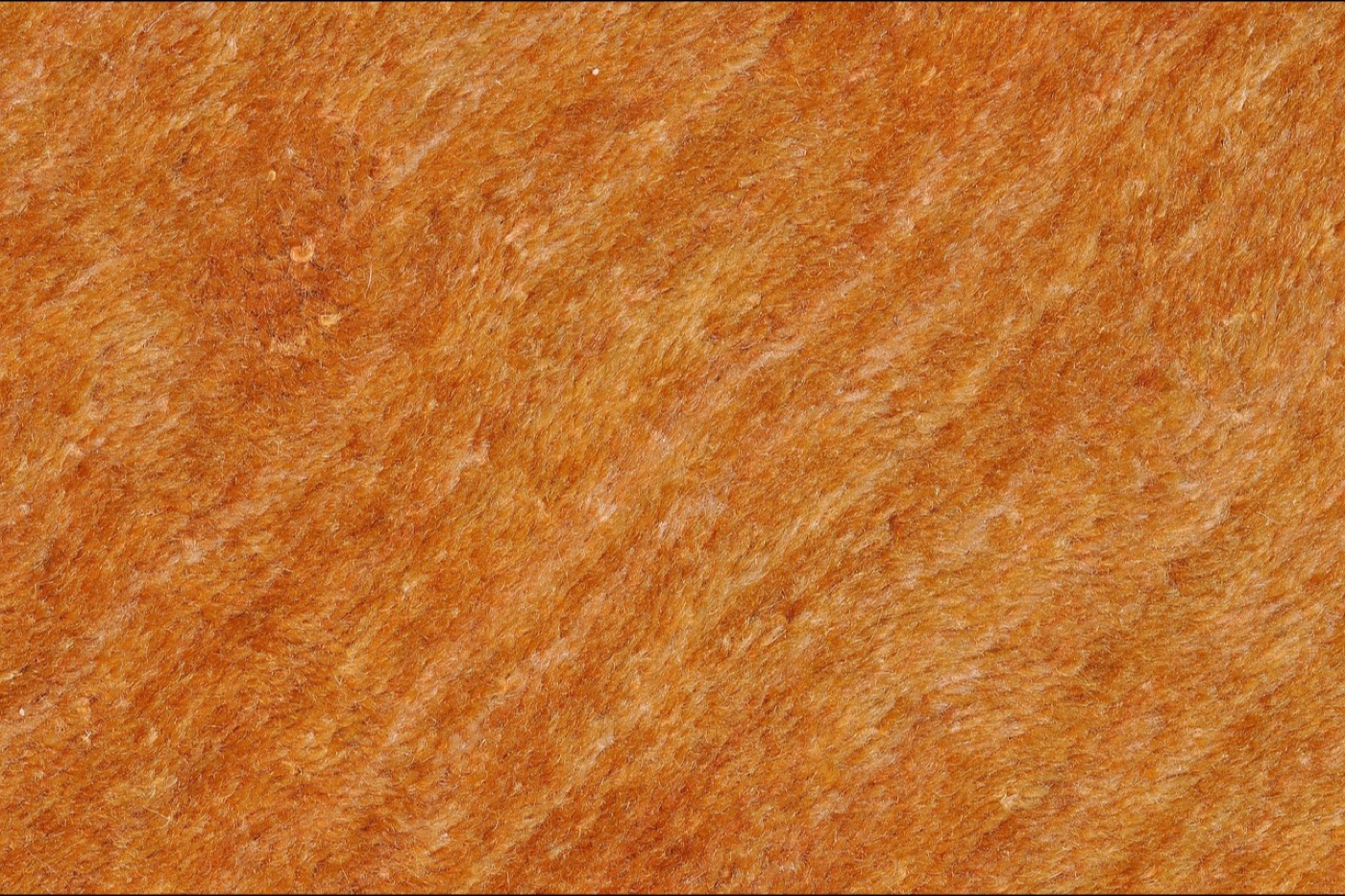
Every new wool rug owner fills a vacuum canister and wonders whether the rug is coming apart. It is not, and the difference between normal shedding and a defect is a pattern rather than a volume.
What is actually leaving the rug
Wool yarn is spun from short staple fibres, typically two to six inches of loose fibre twisted together. The twist grips; the fibres themselves are not fused. When the pile is cut to length — on a tufted rug, a woven pile, or a loop that has been sheared — some fibre ends near each cut are left loose in the yarn rather than locked in.
Those ends reach the surface over the first weeks of foot traffic and vacuuming. What you collect is fibre fragment, not hair being pulled out of a living animal, and not a structural thread failing. Published care documents describe it as wool residue from the cutting process, and the volume is a small fraction of the rug’s fibre mass. The pattern follows from the mechanism: heaviest at the start, tapering as the ends work out.
How construction moves the timeline
- Hand-knotted. Every tuft is tied around the warps and locked at the foundation. Loose ends exist, but each is anchored to a knot rather than held by adhesive. Noticeable fluff for weeks one to four, a decline through months two and three, effectively stopped around month six.
- Hand-tufted. Loops are punched through a fabric backing and secured with latex. The shedding phase is similar but runs longer — commonly six to twelve months — because the tuft is held by glue rather than structure.
- Machine-woven. Tightly held pile on a bonded backing, so the window is often over inside three months.
- Loop pile. Barely sheds at all, and mechanically rather than statistically: a loop is anchored at both ends and never cut, so there are no cut ends to release.
If shedding is what would bother you most, a loop construction is the one to look for rather than a reason to avoid wool — the trade-offs are in the rug vocabulary.
What the yarn adds to the answer
Not all wool yarns behave the same, and the variable that matters is twist. A tightly twisted multi-ply yarn holds its cross-section under load, so its tips resist abrasion and its loose ends stay bound inside the yarn. A loosely twisted single-ply yarn separates more readily, showing up twice: more fuzz early, and faster wear at the tips. Staple length works the same way. This is why twist and ply belong on a spec sheet at all.
When to contact the seller
Three patterns sit outside the normal window, and all three are worth raising rather than living with. The room and floor details that shape the answer are in the five measurements to take before you order.
- Shedding that increases rather than decreases. Normal shedding tapers. A rug that gets worse in month five has a different cause, often a foundation problem or aggressive cleaning.
- White or grey powder around a tufted rug. This is pulverised latex from the backing breaking down, not wool, and a construction limit with no repair.
- Bald patches, or a rug gone thin in a traffic path. Fibre wear is different from fibre release. One is housekeeping; the other is the rug failing.
The vacuum test is the fastest version. If the bin fills heavily for the first month and tapers for two more, the rug is behaving as a wool rug should.
Living with the first month
Vacuum on suction without the beater bar, and more often than feels necessary — the loose ends need removing, and the mechanical action is what removes them. Clip sprouts level with the pile rather than pulling them. And keep grit out at the door, because dirt worked into the foundation is what shortens a rug’s life.
Frequently asked
- How long does a new wool rug shed?
- Most of the visible shedding is gone between three and six months for a knotted or woven wool rug, with hand-tufted constructions running longer — six to twelve months — because latex holds the tufts rather than knots. The test is not the calendar but the trend: shedding should taper week over week.
- Is wool shedding a sign of poor quality?
- Not on its own. Wool yarn is spun from short staple fibres, and cutting the pile to length leaves loose ends that work their way to the surface. That is a byproduct of construction, not a fault. What does indicate a problem is shedding that increases over time, or that is paired with bald patches.
- Should I pull out the loose fibres?
- No. Cut a protruding tuft level with the surrounding pile using scissors. Pulling a single fibre can work an entire tuft loose and turn a cosmetic sprout into a repair job.