Vacuuming a Rug Without Beating It Up
Frequency by fibre and traffic, when the beater bar helps and when it shreds loops, fringe discipline, and why wool hides dirt until it suddenly does not.
The Calm Finds editorial desk · Published Oct 2, 2026 · Updated Oct 8, 2026 · 6 min
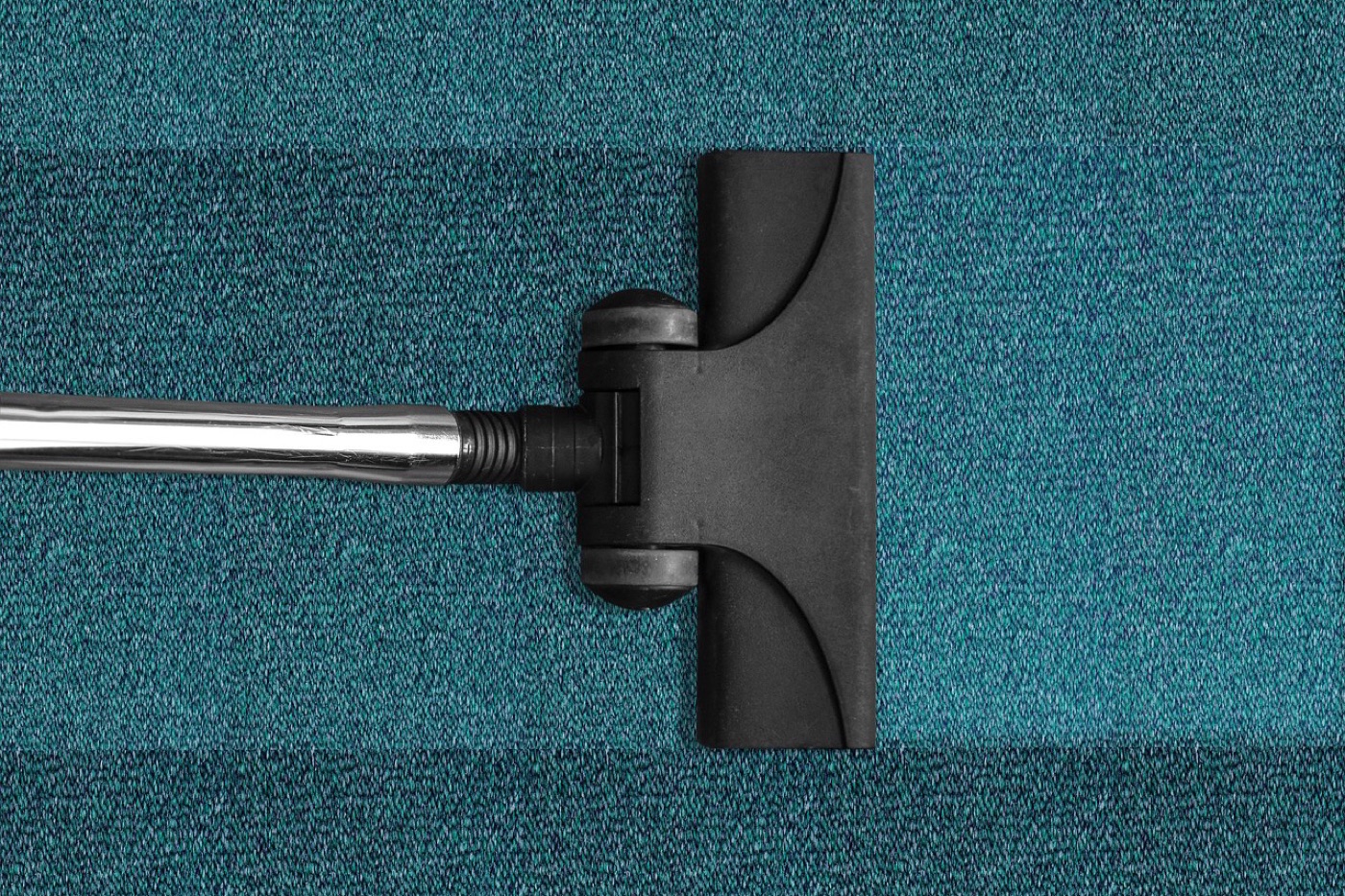
Vacuuming is the care task with the highest ratio of damage to carelessness. Done with the right head at the right frequency, it doubles a rug’s presentable life. Done with a stiff brush dragged across loop pile and through fringe, it is the single fastest way to age a good rug.
Frequency: a schedule that ignores appearances
Grit does its damage by sitting in the pile and grinding against fibre every time a foot lands. The relevant variable is traffic across the rug, not how the rug looks, and the two disagree most on wool.
| Location | Schedule |
|---|---|
| Entryway, hallway, living room centre | Twice a week |
| Dining room, bedrooms | Once a week |
| Under furniture, guest rooms | Every 2–3 weeks |
The wool caveat is worth restating: wool fibre has scales that trap soil deep in the pile, so a wool rug that looks clean can be carrying a full load of grit. Synthetic fibres show soil sooner and hide less. The material contrast is covered in wool versus synthetic rugs, and it changes the vacuum schedule as much as the stain advice.
The beater bar question
A rotating brush lifts embedded soil out of cut pile in a way suction cannot, and on cut-pile wool and most synthetic rugs it is the right tool. The exceptions are absolute rather than matters of degree.
Loop pile. Berber, Brussels weave and any rug with uncut loops should never meet a beater bar. The rotating brush catches a loop and pulls it; the first sign is fuzzing along traffic lines, and the second is snapped tufts with nothing holding their neighbours. Suction-only on these, and the same rule covers the loop constructions compared in flatweave versus loop pile.
Shag and tall pile. Long yarns wrap around brush rollers and tear out at the base. Use the wand or the upholstery head.
Viscose and silk-look fibres. Soft, weak surface fibre abrades visibly under brush contact. Suction only, on the lowest setting that lifts the pile, for the reasons set out in viscose rug realities.
Hand-knotted wool sits in a middle category: many owners run a beater bar on it for years without trouble, but the conservative and defensible setting is a brushless head, since a knotted rug is the one you most want to still own in thirty years.
Fringe and edges
Fringe is where vacuums do their worst work. Tasselled ends catch in brush rollers and wind in, and a single incident can pull stitches that hold the rug’s ends together. Two habits prevent nearly all of it: never run the vacuum across fringe lengthwise, and lift the head onto the rug past the fringe so only suction reaches it. If fringe is already loose, the repair options run through rug edges, binding and serging.
Edges deserve the same discipline. The last 50 mm of a rug takes scuffing and is where serge and binding first fail; angling the vacuum pass slightly away from the edge, rather than over it, costs nothing and saves the perimeter.
Technique details that show up in the rug
Depth of pass matters more than most settings. A vacuum head pressed down hard stalls its own brush and abrades pile flat; the correct weight is contact, not pressure. Slow overlapping strokes beat fast repeated ones, because agitation needs a moment to lift grit.
Direction alternation is the quiet one. Running every pass the same way leans the pile permanently in that direction and eventually shows as shading. Alternating north-south with east-west passes keeps pile upright, and on plush pile it also prevents the vacuum lines from becoming permanent geography.
Emptying and filter condition sit upstream of all of this. A vacuum losing suction because its bag is half full compensates with noise and brush strain, not with cleaning. The visible symptom at the rug is grit that survives pass after pass.
What vacuuming does not fix
Vacuum removes loose soil and nothing else. It does not lift embedded grit at the backing, which needs washing on a multi-year cycle; it does not address spills, which belong to the immediate-response procedure in rug spill first aid; and it does not stop shedding in new wool, which slows with gentle handling rather than aggressive extraction. The shedding timeline is explained in wool rug shedding.
The schedule is the whole game, in the end. A rug vacuumed twice a week for ten years with the right head arrives at decade’s end looking used. The same rug vacuumed reactively, whenever it looks dirty, arrives worn.
Frequently asked
- How often should a rug be vacuumed?
- High-traffic rugs, entries and living room centres, twice a week; medium traffic once a week; guest rooms and under-furniture spots every two to three weeks. Wool rugs deserve one exception in practice: because wool hides soil inside its scales, a weekly rug can be holding more grit than it shows, so the schedule should run on traffic, not on how dirty the rug looks.
- Is a beater bar safe for rugs?
- On cut-pile wool and synthetic rugs, yes, and it cleans noticeably better than suction alone. On loop-pile rugs, including Berber and most flatweaves with texture, no: the brush grabs individual loops and pulls them, which shows as fuzzing and snapped tufts within months. Shag, viscose and hand-knotted fringes all belong to the suction-only list too.
- Why does my wool rug shed more after vacuuming?
- Short wool fibres left in the yarn from spinning work loose under agitation, and a beater bar speeds that up. Expect the most shedding in the first six months, and cut it down by using suction-only passes on wool for the first months, emptying the vacuum before it loses suction, and never pressing the head down hard enough to stall the brush.