Insert vs Cover: The Two-Inch Rule and Why Corners Care
A cushion cover filled with a same-size insert sags at the corners. Why inserts run one to two inches larger, when to go bigger, and where the rule breaks.
The Calm Finds editorial desk · Published Oct 4, 2026 · Updated Oct 11, 2026 · 6 min
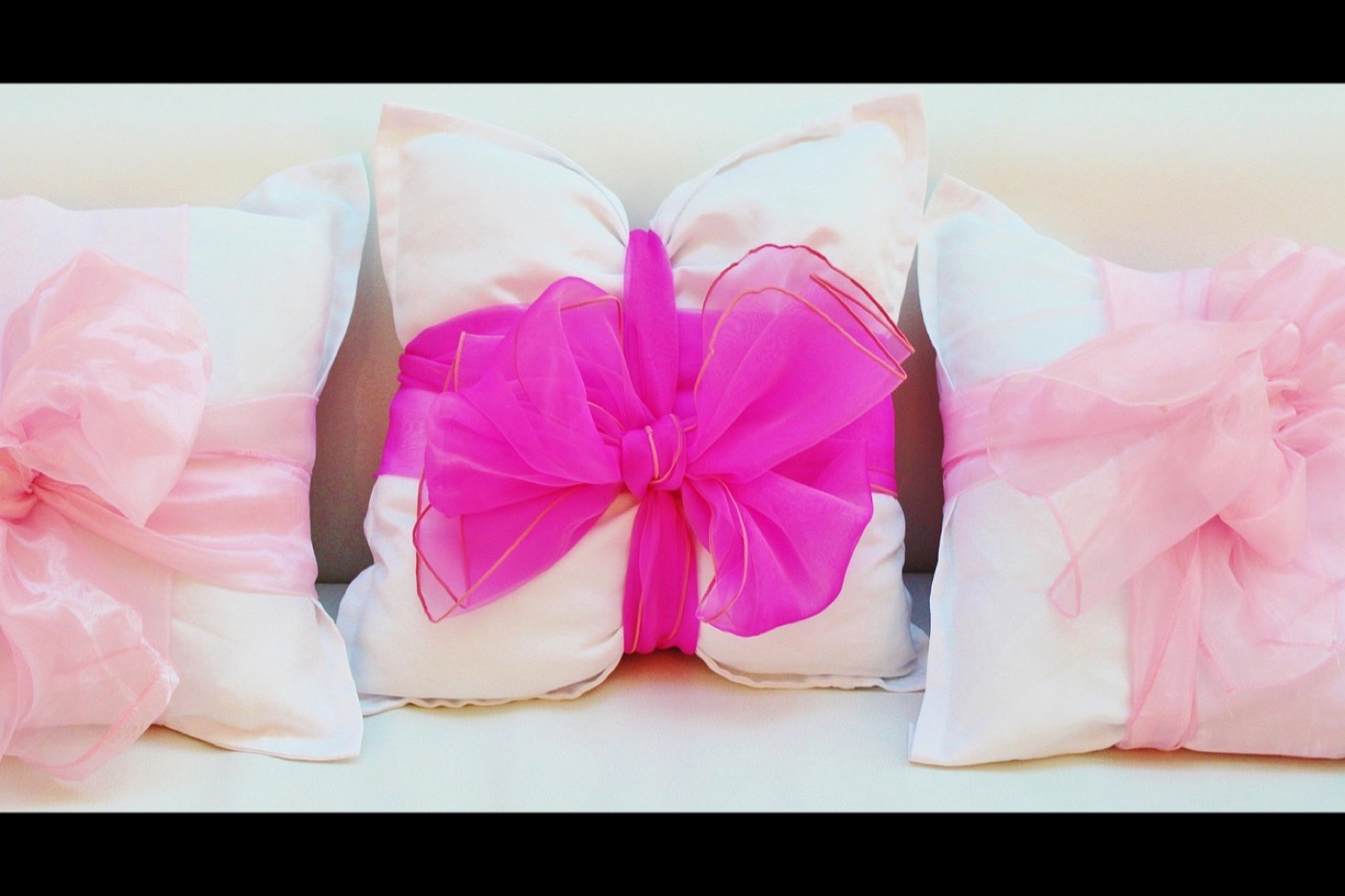
Cushion covers and inserts are sold in the same sizes, and following that coincidence produces the saggy-cornered pillow that every sofa has hosted once. The fix is a rule the trade uses and retail pages bury: the insert is larger than the cover, by one to two inches.
Why same-size inserts fail
A cover is sewn flat. Its corners, especially on knife-edge covers, are the points farthest from any fill and the first to empty when the fibre settles. Put an 18 inch insert in an 18 inch cover and the fill exactly meets the fabric at the centre with nothing pressing it outward: the face reads slightly concave, the corners fold in, and the cushion slouches by the second week.
The over-size insert solves this by pressure. An insert larger than the cover has to compress to fit, and compressed fill pushes outward against every surface, most usefully into those corners. The cover face goes taut, the edges define, and the pillow reads as full even after the fill has softened some. The fill types behind this behaviour, and why down compresses more than polyester, are compared in pillow fill types compared.
There is a second, quieter benefit: longevity. A cover filled by compression holds its look as the insert loses loft, because the slack is already in the system. A same-size pairing goes from adequate to deflated with no stage in between.
The rule, and its adjustments
One to two inches over is the baseline for square cushions. Where you land inside that band depends on the fill.
Down and feather inserts take the top of the band and beyond. They compress hard and drape soft, so a 22 inch feather insert in an 18 inch cover is not excess but the standard designer move; the result is the deep, relaxed pillow that photographs as styled. Feather inserts also fluff back up, so the compression does no harm.
Polyester fills sit at one inch over. Fibrefill compresses less and recovers less, and at two inches over an 18 inch cover strains on an 18-plus-2 insert already, with seam tension showing at the zip. The loft behaviour of these fills is covered in pillow stuffing, loft and longevity.
Lumbar covers adjust the rule to shape. A 12 by 20 cover takes a 13 by 21 insert, one inch over on each dimension; going two inches over on a narrow lumbar makes a sausage, because the small height dimension amplifies the oversize. Two inches over is for squares 18 inches and up.
Foam inserts break the rule. A foam core cut to the cover size fills it by dimension, not compression, and adding size means a pillow that will not close. Foam-filled decorative cushions are a different product category, and their sag-avoidance happens at purchase through density, not at insert selection.
The failure modes of too much
Oversizing has a ceiling, and hitting it is expensive in a different way.
Seams and zips take the load first. A cover closed over a strained insert runs constant tension along every seam, and the failure shows as puckered zips, popped corner stitches, and covers that cannot be removed for washing without a fight. On covers you intend to wash, the practical limit tightens, because a damp insert reinserts slightly larger than a dry one.
Shape distortion follows. Knife-edge covers lose their edges and read as balls; boxed-corner covers, the type with flat gussets, look their best at modest oversize and hide their structure when overfilled.
And handling degrades: a pillow stuffed past its band is harder to plump into shape because the fill has nowhere to move. The whole point of down’s adjustability is that the fibre redistributes; packed solid, it cannot.
Buying the pair together
The rule converts directly into a shopping habit: choose the cover for its look, then order the insert by the cover’s stated size plus the fill-adjusted margin. Retailers who sell both usually note the pairing on the product page; those who do not are the reason the saggy-corner cushion is so common.
One more check belongs at purchase: insert construction quality, since a cheap 20 inch insert with sparse fill underfills an 18 inch cover the same way a wrong size would. Weight for its size is the proxy, and the tests that separate a live insert from a dead one are the same ones described in when to replace a pillow, scaled down to cushion size.
Paired correctly, cover and insert produce the one look that sells decorative cushions: full corners, defined edges, and a pillow that stands up on its own when you smack it. That result is two inches of arithmetic away, and it is the cheapest styling decision on the sofa.
Frequently asked
- What size insert goes in an 18 inch cushion cover?
- A 20 inch insert, one size up. The general rule is one to two inches larger than the cover for square cushions, and 18 to 20 inch covers, the sofa standard, sit right in the middle of the rule. The larger insert presses fibre into the corners, fills the cover's face, and gives the plump, edges-first look that a same-size insert never produces.
- Does the rule change with fill type?
- Yes, in one direction. Down and feather inserts compress more than synthetics, so they justify the full two inches, sometimes more; a 22 inch feather insert in an 18 inch cover is a common designer setup. Dense polyester fills compress less and can strain seams at two inches over, so they suit the one-inch end of the rule. Foam cores change the logic entirely and are covered below.
- What happens if the insert is too big?
- The cover bulges rather than fills, seams take constant tension, and zips fail at the corners first. On knife-edge covers, an oversized insert rounds the edges into a ball and erases the panel lines. The practical ceiling is about two inches over for synthetics and three for down, and beyond that the fit degrades faster than the plumpness improves.