Moths and Rug Storage: Where the Bald Patches Come From
Webbing clothes moths eat wool keratin in dark, undisturbed spots. How to read the early signs on a rug, and how to store one so it does not become a larval nursery.
The Calm Finds editorial desk · Published Oct 3, 2026 · 6 min
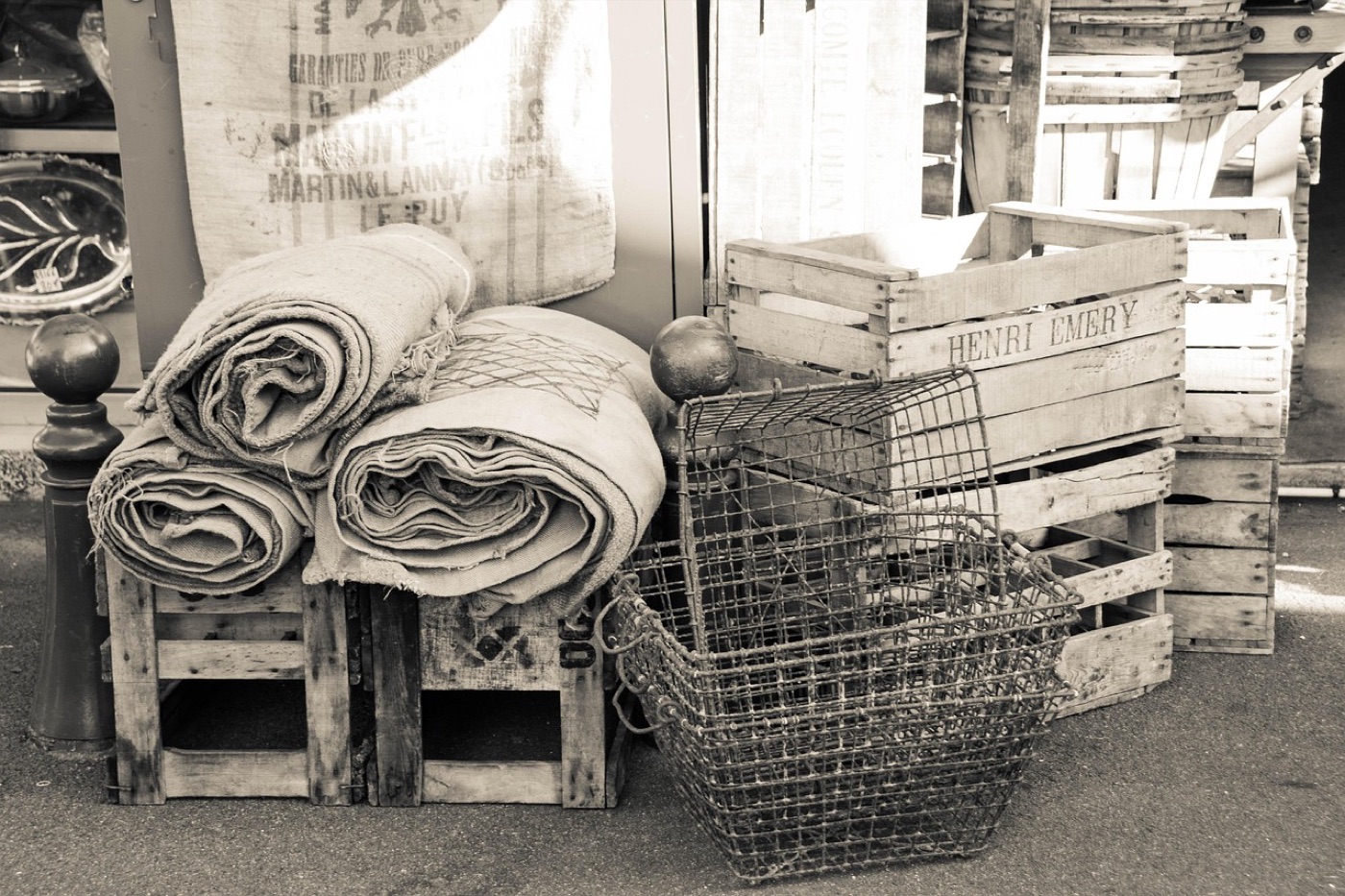
Moth damage is the rug failure that arrives from inside a quiet room. Webbing clothes moths seek out exactly the conditions a well-placed rug provides: keratin to eat, darkness, and no disturbance. The damage is almost always discovered after it has been developing for months, because it starts where nobody looks.
The moth that eats rugs
The culprit is the webbing clothes moth, Tineola bisselliella, not the larger moths that fly visibly around rooms. The adults do no damage; they lay eggs, roughly 40 to 60 at a time, in wool, silk, feather and felt. The larvae do all the eating, feeding on the keratin in wool fibre for weeks before pupating.
Three conditions raise the risk, and they cluster in ordinary homes. Undisturbed placement: rugs under beds, behind furniture and along skirtings are hit first. Darkness: larvae avoid light. Humidity above about 50 percent speeds the life cycle, which is why damage clusters in basements and in humid summers.
Synthetic rugs are immune, which is one honest point in synthetics’ favour; the fibre comparison in wool versus synthetic rugs is partly a moth question. Blended rugs are vulnerable wherever wool is present, and moth activity does not distinguish a 20 percent wool blend from pure wool if the blend is what it finds.
Reading the signs early
The early signs are all findable in a two-minute monthly check if you know their shapes.
Bald patches with a hard floor showing. Larvae graze pile down to the foundation. The patches are irregular, often several centimetres across, and they feel different underfoot before they look different.
Sandy grit and casings. Larval tubes and pupal casings look like grains of sand or rice husks sitting in the pile. If sandy debris appears where nothing sandy ever walked in, treat it as evidence.
Webbing. Fine silken threads matting fibres together, usually in crevices or under the rug edge where it turns under.
Loose wool at the edges. Larvae often start at rug edges and seams, where yarn is accessible and darkness is deepest, and the first loss shows there.
The inspection route matters more than its length: lift rugs at the corners, look along skirting-facing edges, and move furniture enough to see beneath it. Damage found at the casings stage is contained; damage found at the bald-patch stage means the colony has completed at least one full cycle.
What to do when you find it
Act in this order. Vacuum the rug thoroughly on both faces, bag and discard the vacuum contents outside the house. Sun-bake the rug: several hours of direct sun on each face kills larvae and eggs, and is the traditional remedy for good reason. Freeze small rugs if the sun is not available: 72 hours in a chest freezer at household temperatures kills all life stages. For established infestations in valuable pieces, professional moth treatment exists and is cheaper than re-piling a hand-knotted rug. Meanwhile, clean or freeze any nearby wool textiles, because the colony rarely limits itself to one rug, and check the storage rules below before anything goes back into a dark corner.## What good storage looks like
Most storage damage is self-inflicted through plastic wrap and dirty wool.
Clean first. Larvae are attracted to soil, sweat residue and food stains as much as to clean wool, and a rug put away dirty carries both the food and any eggs already in it. Washing on the label’s terms, or professional cleaning for anything valuable, is the non-optional step.
Roll, never fold. Folding creases the foundation and the crease becomes the first place backing breaks. Roll with the pile facing inward, so the face yarns are compressed rather than stretched.
Wrap in breathable material: a cotton sheet, muslin, or a purpose-made cotton rug bag. Plastic sheeting is the standard error, trapping humidity against the fibre and producing mildew with a moth problem attached.
Store off concrete floors, in a space that stays dry and does not swing between hot and cold. Add lavender or cedar sachets for their modest repellent effect, but schedule the real control: open and inspect the roll every two to three months, sun it for an afternoon once or twice across a long storage, and re-wrap.
A rug that comes out of storage smelling of wool and nothing else has been stored correctly. A rug that comes out smelling musty has a humidity history, and its drying rules sit in rug spill first aid.
One last note ties the whole subject to routine care: regular vacuuming is moth prevention as much as soil removal, because it disturbs larvae and puts eyes on the rug’s dark side every week. The schedule in how to vacuum a rug doubles as an inspection rota.
Frequently asked
- What does moth damage on a rug look like?
- Irregular bald patches where pile has been grazed down to the foundation, often in hidden places: under furniture, along skirting boards, behind the sofa where the vacuum never reaches. Look also for sandy larval casings, webbing that mats the pile together, and loose wool fibres collecting at the rug edge. Damage starts where the rug is darkest and least disturbed, which is why infestations are usually discovered late.
- How should a wool rug be stored?
- Clean first, then roll with the pile facing inward, wrap in breathable cotton or a sheet, and store off the floor in a dry, temperate space. Plastic is the classic mistake: it traps humidity against the fibre and invites both mildew and the conditions moths like. Check the roll every few months, because a silent infestation in storage is discovered as damage, not as moths.
- Does cedar keep moths away from rugs?
- Cedar repels briefly and kills nothing; its oil discourages adult moths while it is aromatic and does little against larvae already in the fibre. Mothballs work but should never share a wrap with a rug a household breathes near. The dependable sequence is cleaning before storage, a sealed-but-breathable wrap, and periodic inspection, with cedar as a pleasant extra rather than a strategy.